Osteopathic
Therapy
Relieve. Restore.
What is
Osteopathy
Osteopathy is a movement-based clinical discipline that evaluates how the body’s structure, joints, muscles, and tissues interact to influence overall function.
By analyzing posture, movement patterns, joint mobility, and neuromuscular control, Osteopaths identify factors that may contribute to pain, dysfunction, or reduced performance.
Key Goals of Care:
– Reduce pain
– Restore and optimize movement
– Enhance stability and resilience
Our Approach
We combine clinical expertise
and customized solutions:
Posture & Movement Assessment:
Identify joint, muscle, and tissue
restrictions, as well as movement
limitations affecting function.
Functional Musculoskeletal Screen:
Assess joint mobility, alignment, and
movement patterns to detect
compensations; and evaluate strength,
coordination, and control to identify risk
factors for injury or chronic pain.
Evidence-Based Manual Therapy:
Apply techniques to support mobility
and influence nervous system sensory input.
Individualized Strategies:
Develop tailored exercise programs and
recommendations to restore function and
improve quality of movement.
Care is evidence-informed and practical.
No Gimmicks.
Guidelines
– A consultation or assessment is required before any therapies, or products are recommended.
– To ensure comfortability, please wear non-restrictive clothing like exercise clothing to your appointment. Please avoid restrictive or embarrassing clothing that may make treatment uncomfortable. For females, it is recommended to avoid underwire bras if possible as these can often become uncomfortable during certain manual therapy techniques. A sports bra is a good alternative. Skirts, dresses, and kilts should also be avoided in order to maintain modesty.
Frequently Asked Questions
What happens during an evaluation?
During an evaluation, an Osteopath reviews and documents the individual’s current musculoskeletal complaints as well as takes a detailed health history.
Afterwards, the evaluation process involves the examining of static posture, gait, a manual examination, a functional screen, and potentially a mobility, strength, and balance screen.
The Osteopath uses this information to design a specific therapeutic treatment plan tailored to your individual needs. Treatment typically begins in a follow-up appointment after the assessment results have been discussed with the individual.
What happens during a treatment?
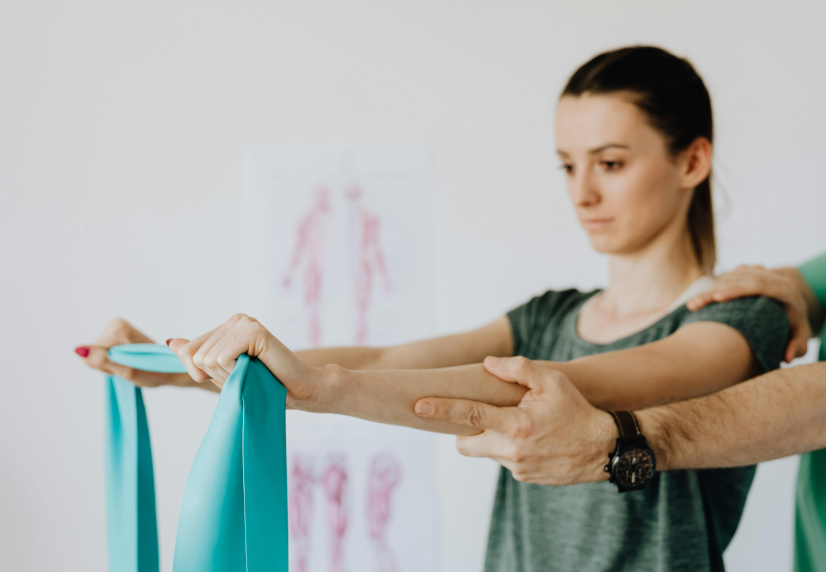
During a treatment visit, an Osteopath may mobilize the joints of the affected area, ask you to perform specific movements or exercises, or to contract and relax specific muscles in particular planes of motion. Visits are typically between 30 to 40 minutes in length, however they may take more or less time depending on the individual’s needs.
Many treatment plans may require 2 visits during the course of the initial 2 weeks, followed by 1 visit per week for an additional 2 to 3 weeks. Some cases require as few as 1 appointment, while others may require more than what’s been stipulated above.
What problems do Osteopaths treat?
Osteopathic Therapy was developed at the turn of the 20th century by an American Physician known as Dr. Andrew Taylor Still. This form of therapy began being recommended by physicians as a first line conservative therapy for musculoskeletal complaint and injuries prior to considering more invasive treatment methods, medications, and/or surgeries.
The profession itself gained popularity due to its success in treating tensions, neuromuscular dysfunctions, and chronic pain.
In modern day, Osteopaths are typically consulted for low back pain, neck pain, musculoskeletal tensions, or musculoskeletal injury.
Are Osteopaths considered Physicians?
There is a huge difference in scope of practice between practitioners of Osteopathic Medicine and Osteopathy (Osteopathic Therapy). In most locations around the world, Osteopaths are not considered Medical Physicians, though this doesn’t hold true in the United States of America.
In the United States, Osteopathic Physicians are educated in schools of Osteopathic Medicine and licensed to practice medicine in it’s entire scope. In fact, this is the only country in the world offering a recognized medical degree in Osteopathic Medicine; these practitioners are eligible for medical licensure outside of the United States, including in Canada.
Osteopaths (Osteopathic Therapists), on the other hand, are trained to work exclusively without the use of medical drugs or surgery, and while some practitioners may be eligible to use the title of doctor if they hold a doctorate degree and are conferred that right by their governing body, these practitioners in no way are to be considered medical physicians.
Therefore, therapists are not permitted to practice restricted medical acts such as performing invasive medical tests or interventions, diagnosing medical diseases, prescribing medications, requisitioning special tests, and/or performing surgery.
In summary, two types of Osteopaths exist:
– Osteopathic Physicians
– Osteopathic Therapists
Only American Osteopathic Physicians Hold Medical Licensure With All Applicable Rights, Privileges, and Responsibilities.
Is a Doctor’s referral needed?
No. Anyone can make an appointment to see an Osteopath. However, some insurance policies may require a medical prescription in order to qualify for reimbursement. Please verify your eligibility with your insurance provider prior to scheduling an appointment.
Osteopathy vs Physiotherapy?
Both, Physical Therapy and Osteopathy aim to restore human movement and musculoskeletal function to an individual.
While Physiotherapists are most often consulted for a musculoskeletal disorder involving pain, a reduction in mobility, and injury; they are also trained to treat nervous system, developmental, respiratory, as well as other conditions.
Osteopaths, on the other hand, assess the alignment, mobility, and tonicity of tissue both statically and dynamically in order to get a global sense of how the movement is being impacted along with the individual’s primary complaints. In this way, taking a big-picture viewpoint to the region of complaint.
When discussing treatment, Physical Therapists may use manual therapy, along with Ultrasound, TENS stimulation, and exercise; whereas Osteopathy primarily focus on manual therapy and exercise intervention strategies.
Both professions bring value in their own rights, and the choice between may be dependant upon individual needs, and personal preference.
That said, in cases that exceed a particular scope of practice, Osteopaths are trained to recognize when a referral to Physical Therapy is required.

Antonio M. Colasurdo is a Pedorthist
Candidate and Osteopath specializing in
foot and lower limb health. He helps
individuals improve their mobility, reduce
pain, and enhance overall quality of life.

Physicians are registrants of the College of Physicians and Surgeons, Antonio Colasurdo is not a physician and thus, he is not a registrant of the College of Physicians and Surgeons. Only a physician may, in the practice of his profession, make a medical diagnosis and establish a medical treatment to be respected. Antonio Colasurdo and the advice provided does not replace the recommendations made by a professional recognized by the College of Physicians and Surgeons.
 Antonio Colasurdo